The United States and Iran are again circling the negotiating table. The context is tense. The memory of the collapsed 2015 nuclear deal still lingers. Trust remains fragile. Yet, both sides appear to recognise the cost of continued hostility.
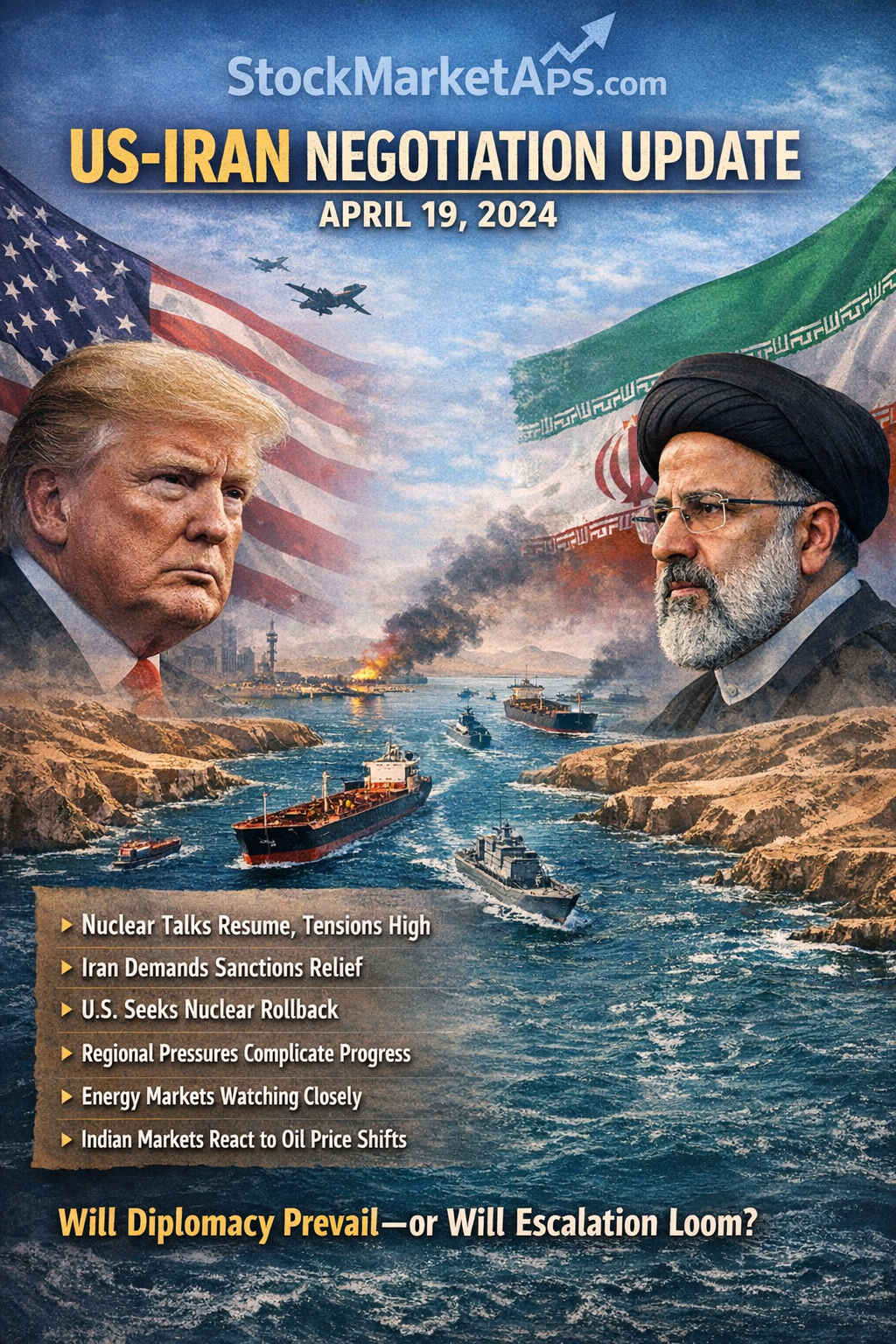
Talks as of April 19 signal cautious movement, not a breakthrough. Diplomacy is active but constrained. Washington wants tighter nuclear compliance. Tehran wants sanctions relief. These positions are not new. What is new is the urgency on both sides.
The US administration is under pressure to prevent further nuclear escalation. Iran, on the other hand, is dealing with economic strain. Sanctions continue to weigh heavily on its economy. Inflation remains high. Currency pressures persist. This creates an incentive to re-engage.
However, the gap between intent and agreement is still wide. Iran has advanced its nuclear capabilities since the original deal. Its enrichment levels are higher. Its technical leverage has increased. This changes the negotiating balance. The US now faces a more complex rollback scenario.
Regional dynamics also complicate the talks. Israel remains deeply sceptical. It views any partial deal as a strategic risk. Gulf countries are watching closely. They prefer stability but distrust Iran’s long-term intentions. This creates external pressure on the US negotiating stance.
Another layer is geopolitics. The US is balancing multiple global priorities. Ukraine. China. Energy security. Iran is no longer a standalone issue. It is part of a broader strategic puzzle. This limits how much diplomatic capital Washington can deploy.
Iran, meanwhile, is leaning into strategic patience. It is not rushing into a deal. It understands that global energy markets give it some leverage. Oil prices remain sensitive to supply disruptions. Any easing of sanctions could quickly bring Iranian oil back into the market. This is a powerful bargaining chip.
Energy markets are reacting in measured ways. Prices are not spiking sharply. This suggests that traders do not expect immediate escalation. But volatility remains just below the surface. Any breakdown in talks could trigger sharp moves.
The structure of the current negotiations also matters. These are not full-scale, headline-grabbing summits. They are quieter. Indirect. Often mediated through third parties. This reduces public pressure but slows progress. It also increases the risk of miscommunication.
There is also the issue of sequencing. The US wants Iran to roll back nuclear activity first. Iran wants sanctions lifted first. This classic deadlock remains unresolved. Creative diplomatic solutions are being explored. But none have yet gained full traction.
Domestic politics in both countries play a role. In the US, any deal will face scrutiny. In Iran, internal factions have differing views on engagement. Hardliners remain cautious. Reformists see opportunity. This internal divide shapes negotiation flexibility.
Despite all these challenges, the talks have not collapsed. That itself is significant. It signals a shared understanding. Escalation is costly. Stability, even if temporary, is preferable. This creates a narrow but real pathway for progress.
The likely outcome in the near term is incremental. Not a grand deal. But smaller understandings. Limited sanctions relief. Partial compliance steps. Confidence-building measures. These can stabilise the situation without fully resolving it.
For global markets, this means a period of watchful calm. Not certainty. But managed risk. Investors will track signals closely. Especially around energy flows and geopolitical rhetoric.
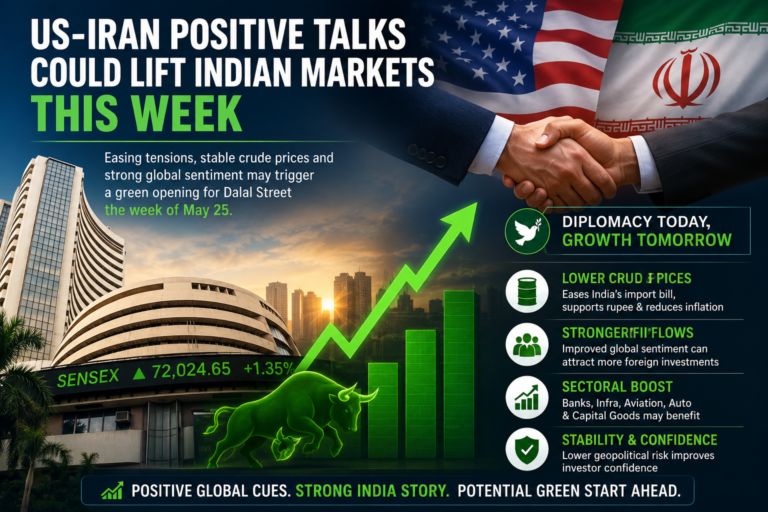
For Indian markets, the implications are layered. A positive direction in talks could ease crude oil prices. This would benefit India’s macro stability. Lower import costs would support the rupee. It would also ease inflation pressures. Sectors like aviation, paint, and logistics could gain. On the other hand, any breakdown or escalation would push oil prices higher. This would pressure fiscal balances and currency stability. It could trigger cautious sentiment in equities. In the near term, Indian markets are likely to remain sensitive to headlines from these talks, with energy and currency movements acting as the primary transmission channels.